
Psychotherapeutic counselling for teenagers, young people and adults.
In-person in Kendal, South Cumbria and online.
WELCOME
People come to counselling for many different reasons.
You might be feeling anxious, overwhelmed, burnt out, stuck, disconnected, or unsure why things feel difficult. You might be navigating relationships, identity, grief, trauma, neurodivergence, life transitions, or a growing sense that something is no longer working.
Sometimes people know exactly what they want to talk about.
Sometimes they don’t.
Both are welcome.
Therapy is about creating space to explore what is happening, what matters, and what might help.
I offer counselling in calm, welcoming spaces across South Cumbria, as well as online. Up to date information about my availability is detailed in my booking system.
Even though my physical environment might change from time to time, I make sure that there are some constants. I always spray a particular room fragrance at the beginning of the day, and I set all rooms up with my own blankets, cushions and other therapy tools. You will always know which location you’re booking for at the time of booking.
You’re welcome to make yourself comfortable - some people take off their shoes, curl their feet around them, bring a non-alcoholic drink.
If we work online, I’ll encourage you to create therapeutic conditions in your own space that help us work together. For example, we might create welcome and goodbye rituals that help separate the therapeutic space from your home environment.
How we might work
Therapy doesn’t have to look a particular way.
Some people arrive with pages of notes.
Some think out loud.
Some need time to process before responding.
Some communicate through stories, examples or humour.
Some struggle to find words at all.
Some cry easily.
Some never cry.
All of those experiences are welcome.
Rather than expecting you to fit a particular idea of what a therapy client should be, we can think together about what helps you engage, reflect and make use of the space.
Sessions might feel reflective, practical, exploratory, emotional or structured.
Often, they’re a mixture of all five.
What therapy might help with
Sometimes, therapy is about talking through a problem.
Sometimes it is about understanding a pattern that keeps repeating.
Sometimes it is about finding words for an experience that has always felt difficult to explain.
Together we might:
notice patterns in thoughts, feelings, relationships or behaviour
make sense of experiences that feel confusing or overwhelming
explore how past experiences continue to affect the present
untangle conflicting thoughts and emotions
understand the impact of masking, burnout, or chronic self-monitoring
identify strengths, needs and boundaries
develop a clearer understanding of yourself and your relationships
think about whether a problem sits within you, around you, or both
explore practical ways of coping with current challenges
Therapy can help things feel clearer, more understandable, and less lonely.
NEURODIVERGENCE
Many of the people who find their way to therapy have spent years feeling different, misunderstood, overwhelmed, exhausted, out of step with those around them, or unsure why certain things seem harder than they “should” be.
Some identify as autistic, ADHD, AuDHD, or otherwise neurodivergent.
Some are exploring whether neurodivergence might make sense of their experiences.
Others do not identify with any particular label at all.
You do not need a diagnosis to talk about neurodivergence in therapy.
Therapy can provide space to explore experiences such as masking, burnout, sensory differences, communication differences, emotional intensity, executive functioning difficulties, identity and belonging.
The aim is not to decide whether you fit a particular category.
The aim is to better understand yourself, your needs, your strengths, and what helps life feel more sustainable.
Accessibility and adjustments
Many people spend years adapting themselves to fit other people’s expectations.
Therapy should not become another place where that happens.
Adjustments might include:
bringing notes to sessions
receiving information in writing
allowing extra processing time
reducing or removing eye contact
discussing sensory needs
taking breaks when needed
adapting the pace of therapy
being explicit about boundaries and expectations
You do not need a diagnosis to ask for adjustments.
If something would help you access therapy more comfortably, we can talk about it.
A note about POWER:
I have professional training, ethical responsibilities, and a role within the therapeutic relationship. At the same time, you are the expert on your own life.
Therapy works best when there is room for curiosity, feedback, and honest conversation.
If I misunderstand something, make an incorrect assumption, or use language that does not fit your experience, I hope we can talk about it.
Therapy is not about deciding what is wrong with you.
Instead, we might explore what has happened to you, what matters to you, and what makes sense in the context of your life.
About me
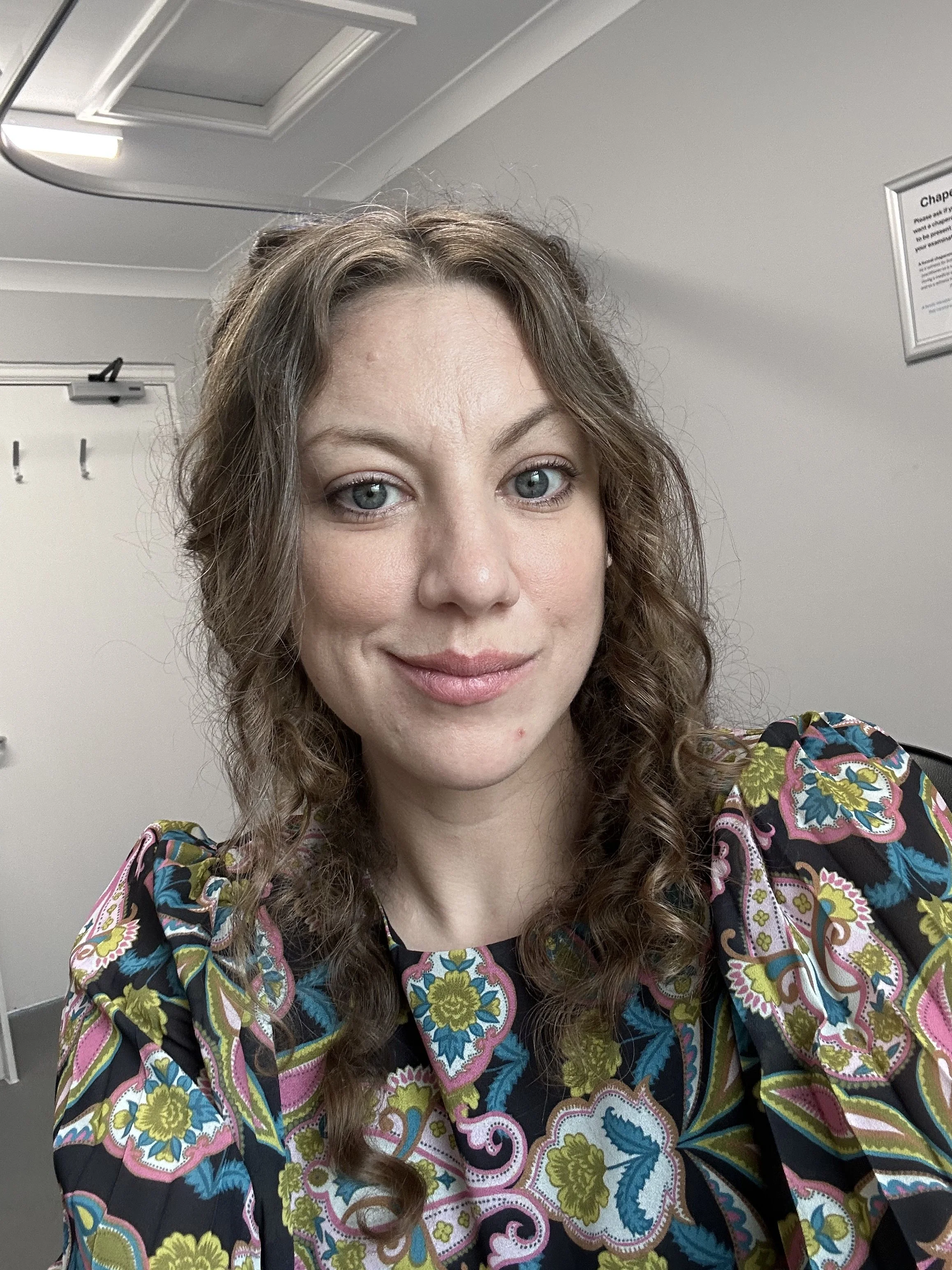
I’m Amanda, a counsellor working in a pluralistic, relational and trauma-informed way.
Different people need different things from therapy at different times. Rather than following a single approach, I work collaboratively and adapt therapy to the person in front of me.
Alongside my counselling training and clinical experience, my work is informed by an ongoing commitment to accessibility, communication, and understanding the many different ways people experience and move through the world.
** this section should offer something like:I’m Amanda, this is what I’m like, and this is how I work. Here’s what I believe in, in a therapy context.
And of course, you’ll want to know that I’m suitably qualified. I hold a degree (First Class Honours) in Counselling and Psychotherapy, supplemented with additional, specialist training in neurodivergence, trauma, and solution-focussed approaches.I’m a member of NCPS, one of the main member-organisations that oversee counselling practice. I’m fully insured, DBS checked, and registered with the ICO, so you be assured that I handle your personal information safely.